
Brick Frame – Timber

Brick Frame – Timber

Timber has been trusted in Australian homes for decades because it brings together strength, versatility and everyday performance. Its natural insulating properties help keep indoor temperatures comfortable while giving your home a solid, reliable structural framework.

Whether you're building your first home or your forever home, timber framing gives you a practical, well proven foundation for modern living.

Features

The Details that matter

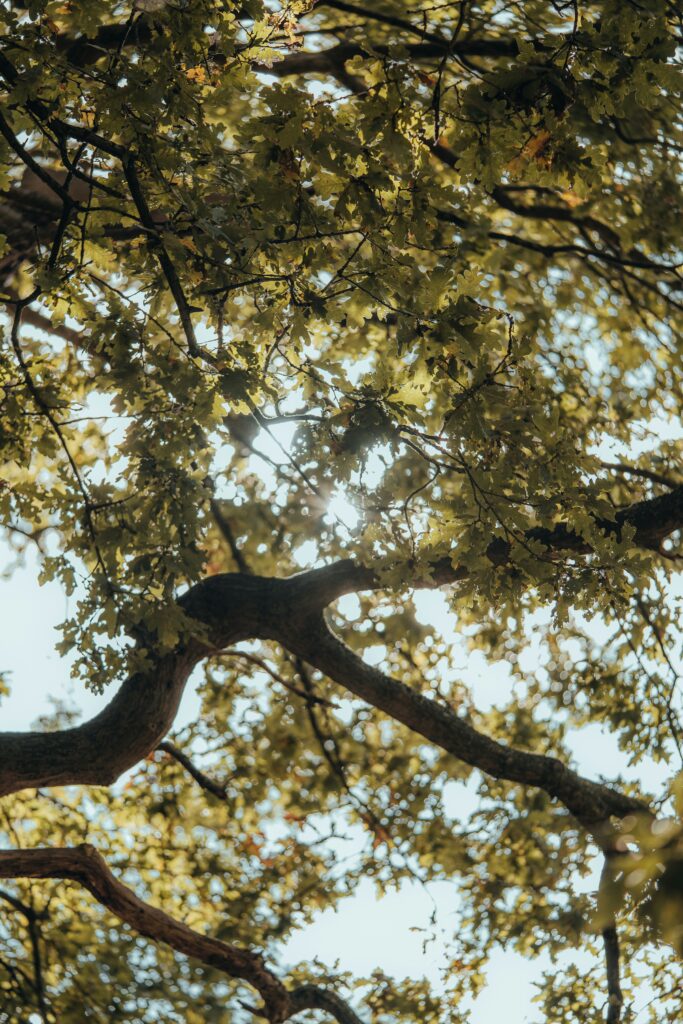
Sunlight filters through the green leaves and branches of an oak tree.
  • Carbon absorbed by trees during growth stays locked inside the wood.

  • Doesn’t expand or contract with temperature changes.

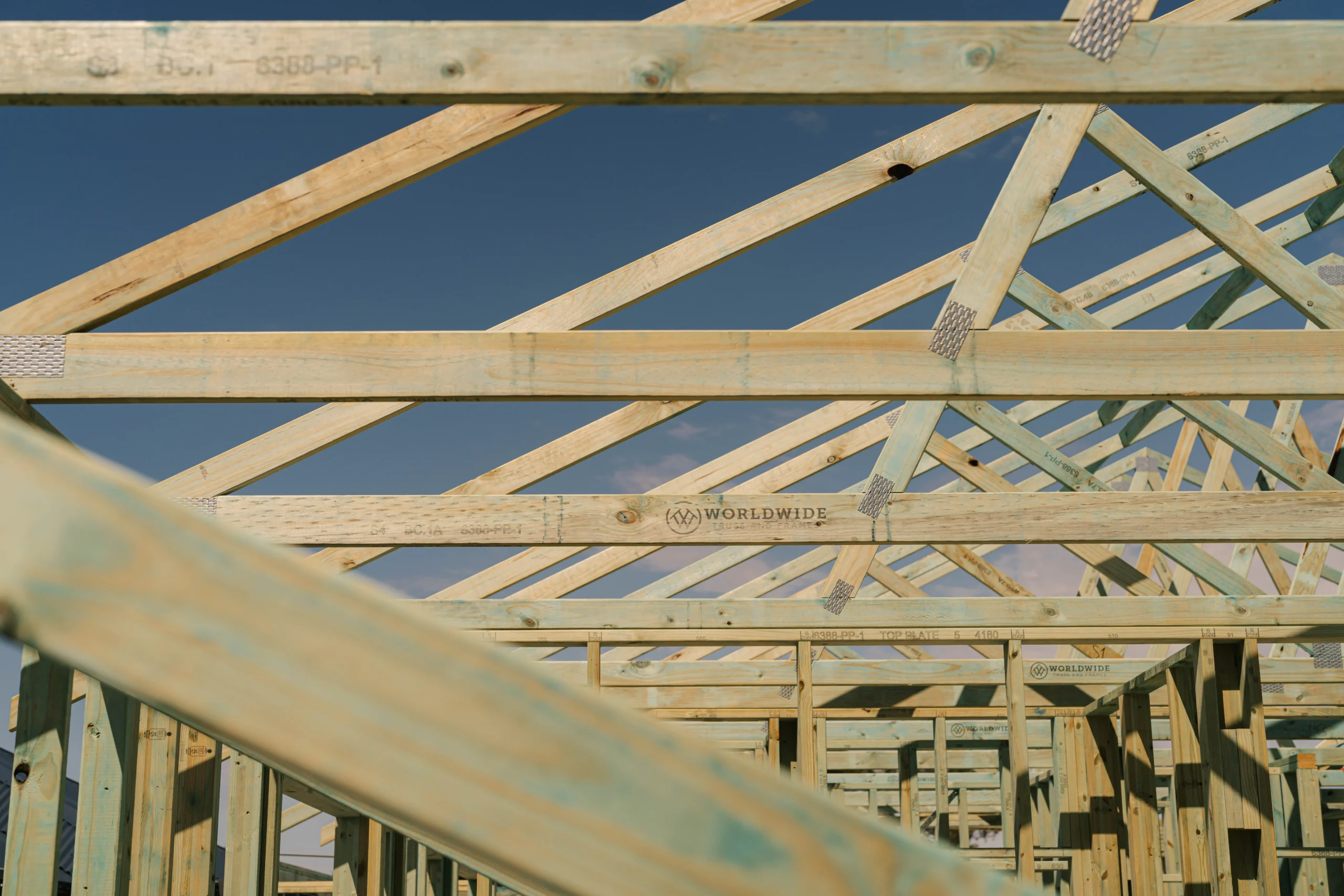
  • In partnership with Worldwide Truss & Frames.

  • Timber’s cellular structure reduces energy loss through walls and roofs.

  • Easy to work with for plumbing, electrical and renovations.

Performance

Thermal Properties

Timber’s natural thermal performance is one of its biggest strengths. Unlike more conductive materials, timber slows the transfer of heat through the wall structure, helping your home stay warmer in winter and cooler in summer. Its low thermal mass means the home heats up and cools down quickly, so it sheds heat fast at sunset for cooler nights without leaning on the air conditioning. Timber framing cavities also allow for thick, continuous, full depth insulation, giving your home a real efficiency boost year round.
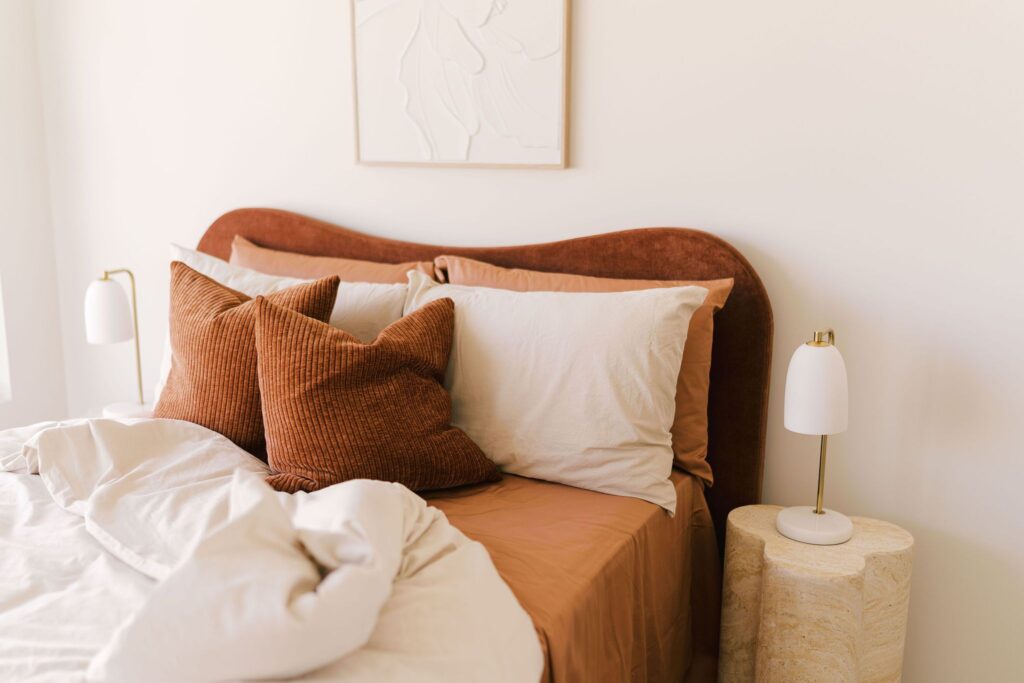
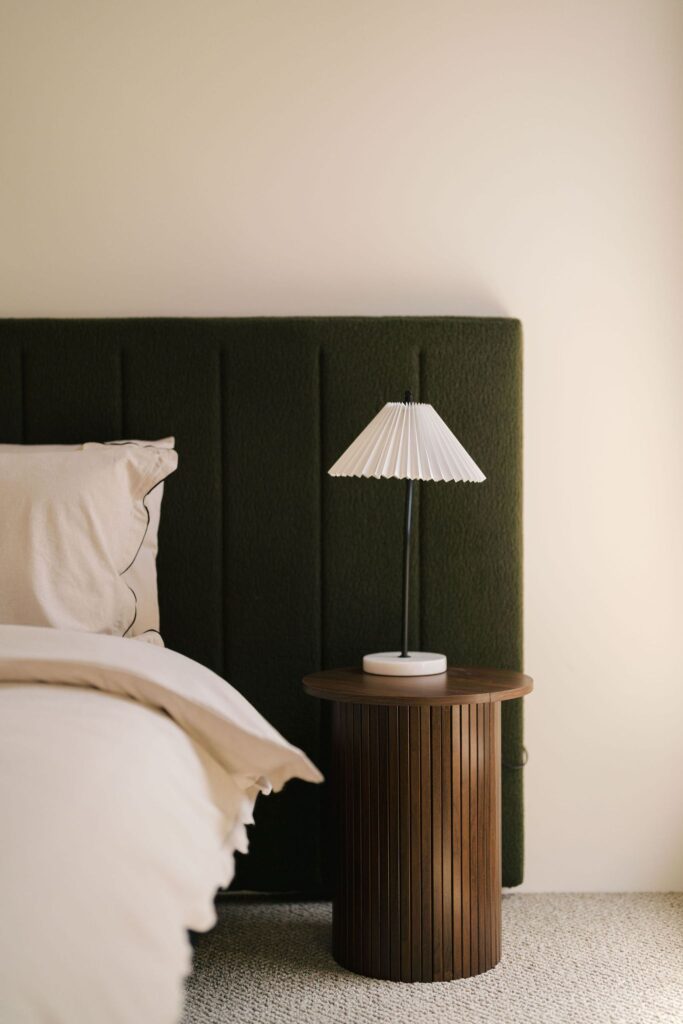
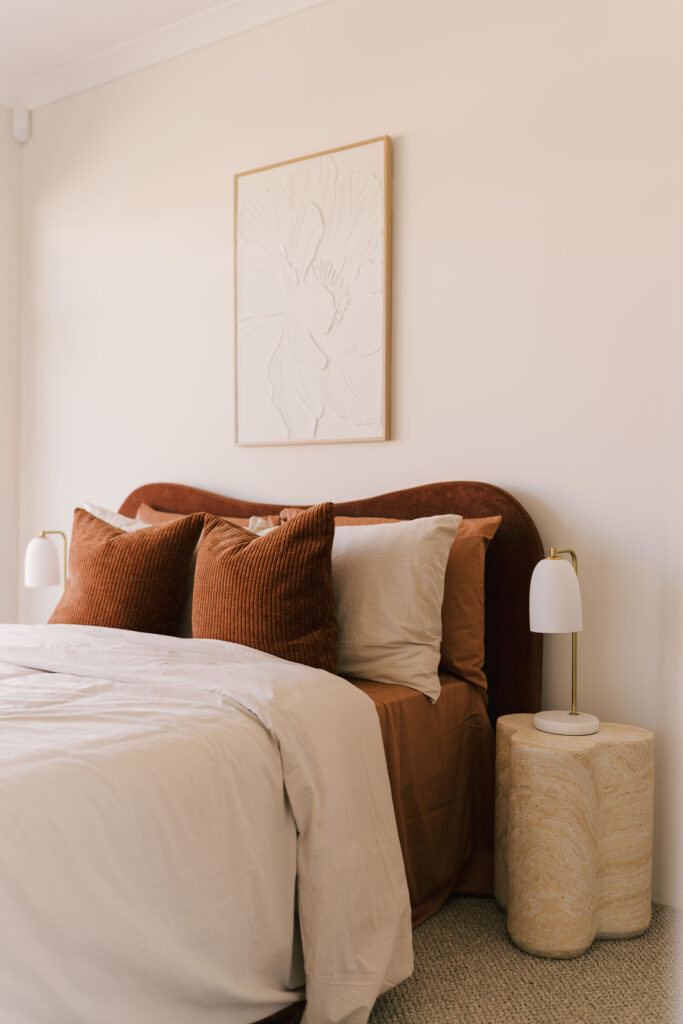
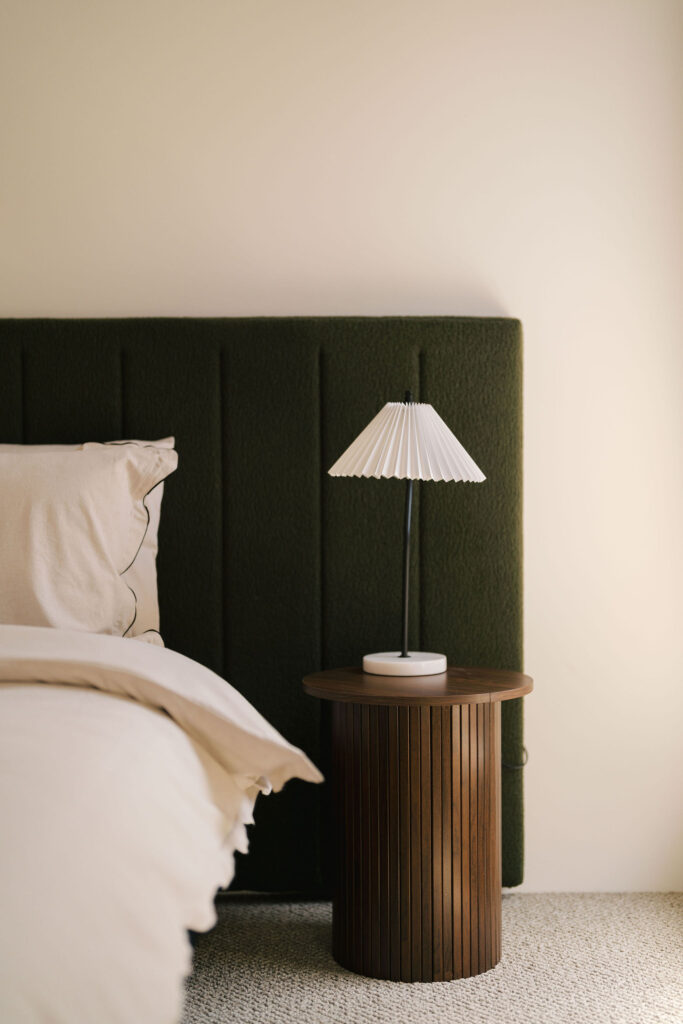
A bed with rust-colored pillows and white bedding is set against a textured headboard.

Acoustic Comfort

A quiet home starts with a well designed wall system, and timber plays its part beautifully. Rather than transferring sound vibrations directly, timber helps absorb and dissipate them. It also works hand in hand with modern acoustic solutions. Combined with quality insulation and internal linings, timber framing helps create a quieter, more comfortable living environment for you and your family.

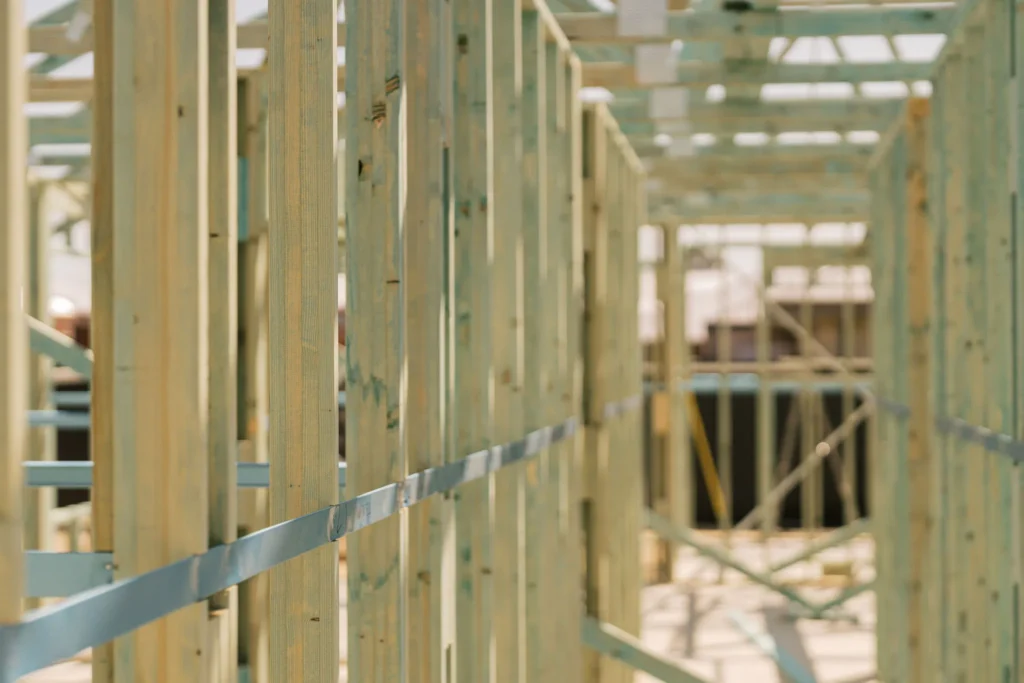
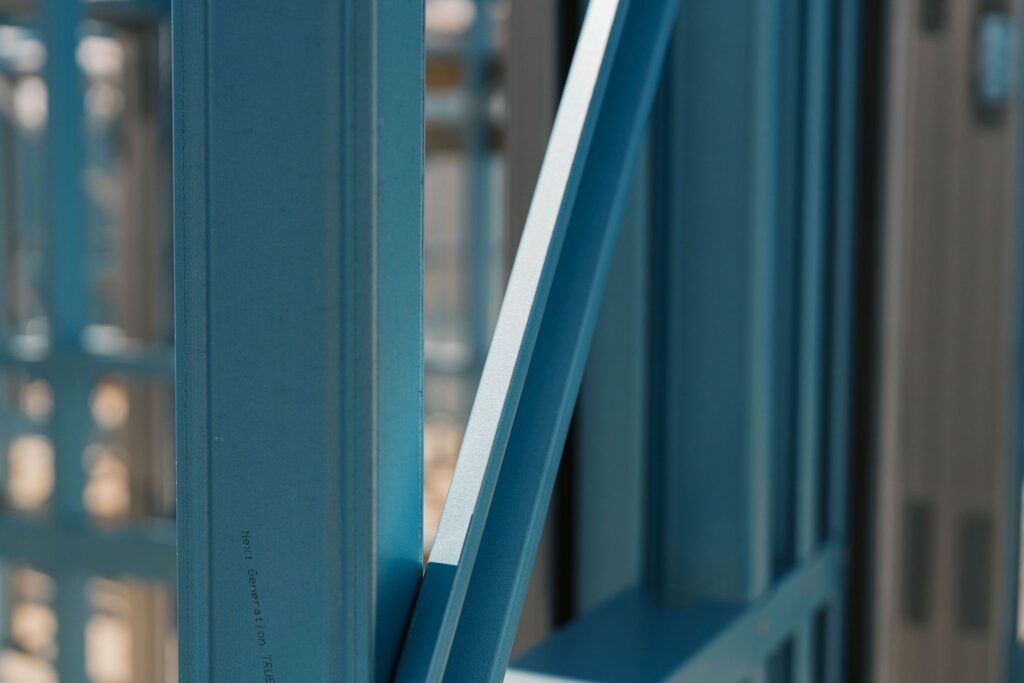
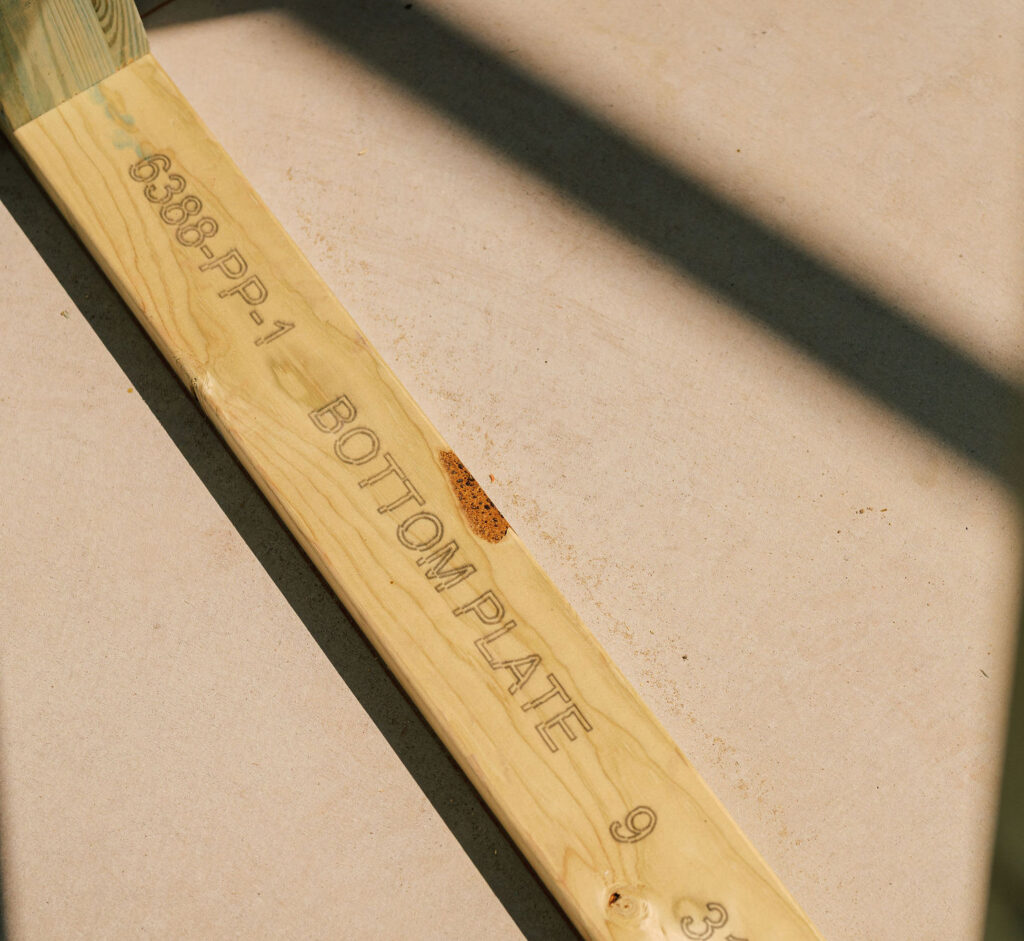
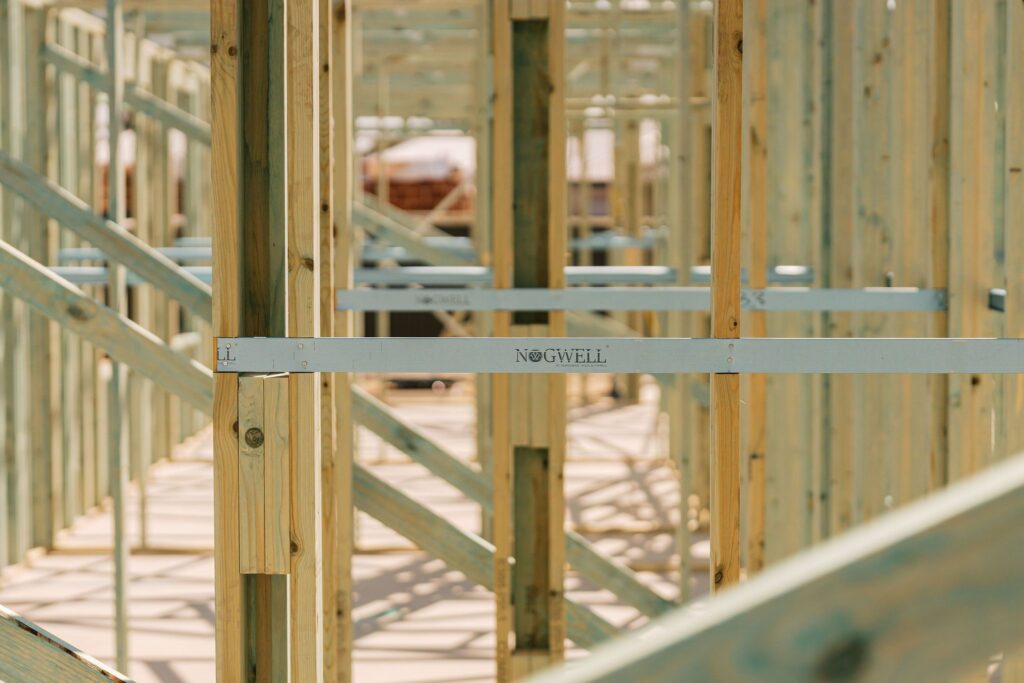
Wooden frame construction with a Nogwell metal brace visible.

Bushfire Performance

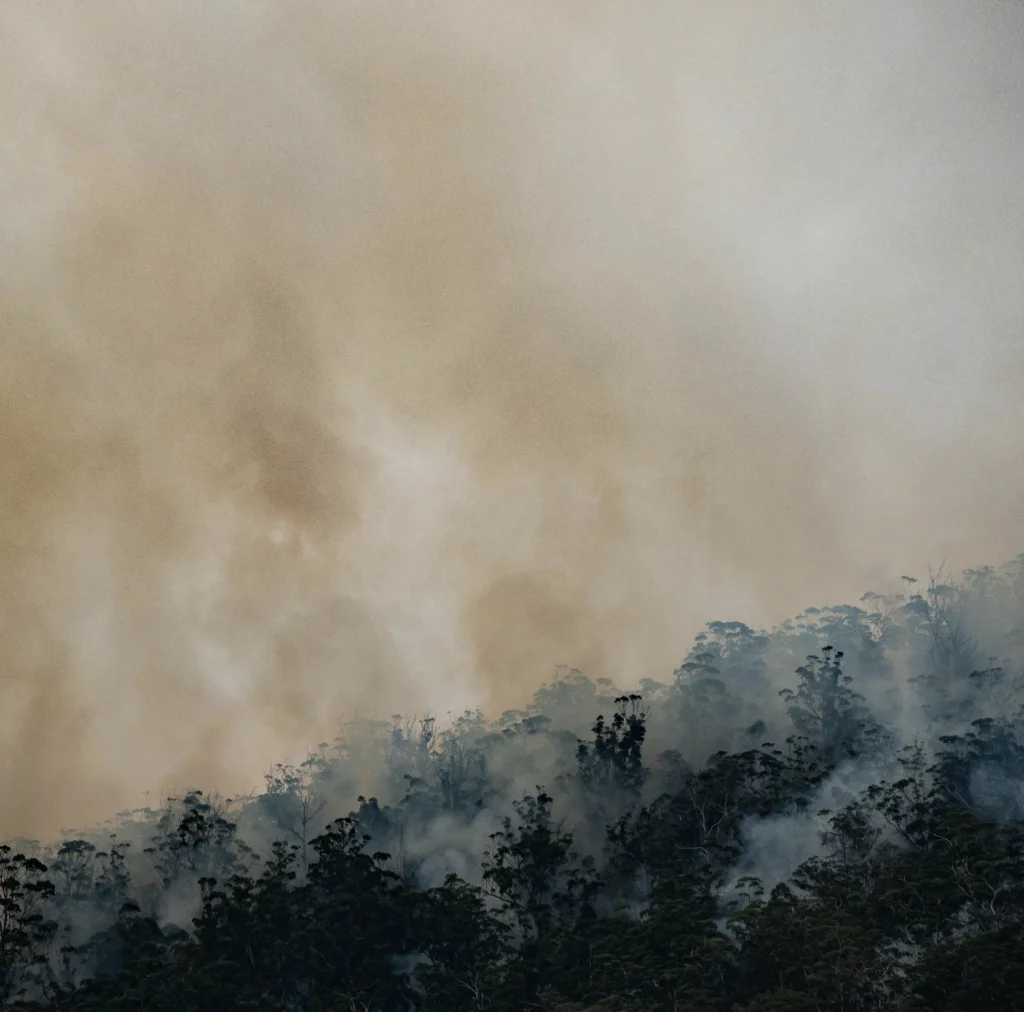
Timber framing is built with Australian conditions in mind. BAL (Bushfire Attack Level) ratings measure a site’s exposure to bushfire hazards like ember attack, radiant heat, burning debris and direct flame contact, ranging from BAL-Low up to BAL-FZ. Timber’s natural insulating properties mean it burns in a slow, predictable and measurable way while holding onto its structural integrity. When designed and built to code, timber shows predictable charring behaviour, works well with bushfire resistant systems, and maintains its load bearing capacity better than unprotected steel.

Smoke billows over a dark forest on a hillside.

Coastal Conditions

Homes near WA’s beautiful coastline face unique conditions: salt laden air, higher humidity, strong winds and shifting seasonal weather. Homes within a certain distance of the ocean often need to meet Coastal Condition requirements, which typically calls for timber framing. Modern structural timber is treated to Australian Standards to guard against decay, moisture damage and termites, and unlike some materials, it simply doesn’t rust. Timber framed homes also use building wraps, ventilation and smart construction detailing to manage moisture, promote healthy airflow and support long term durability, making timber a practical, reliable choice for coastal living.

Sunset over a rocky coastline with gentle waves lapping the shore.

The right material choice shapes your home for years to come.

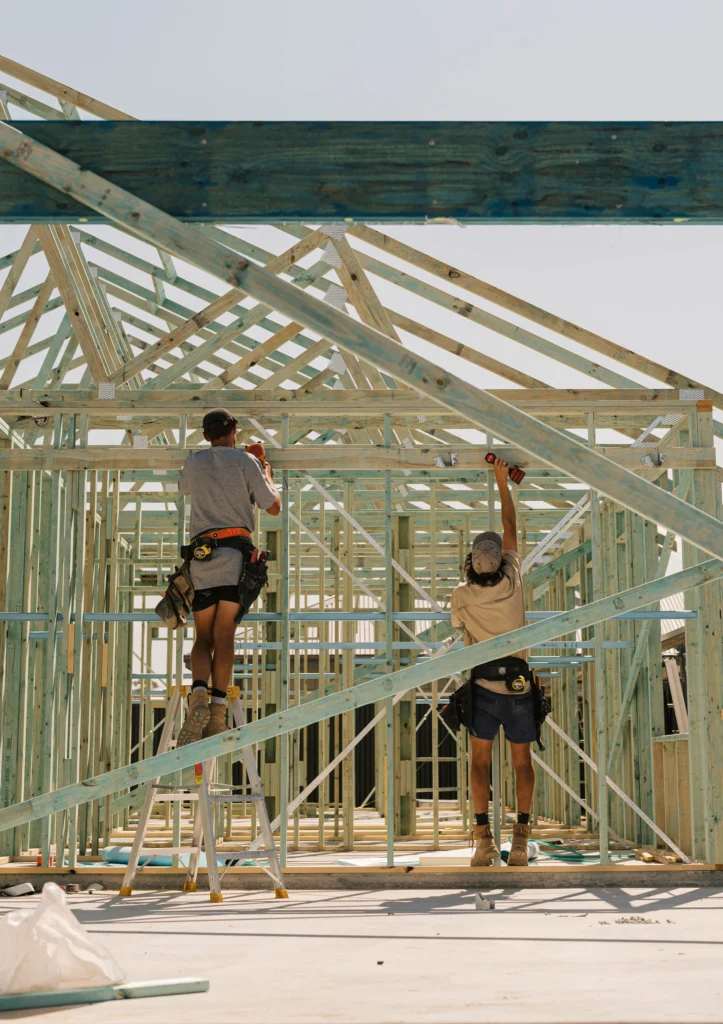
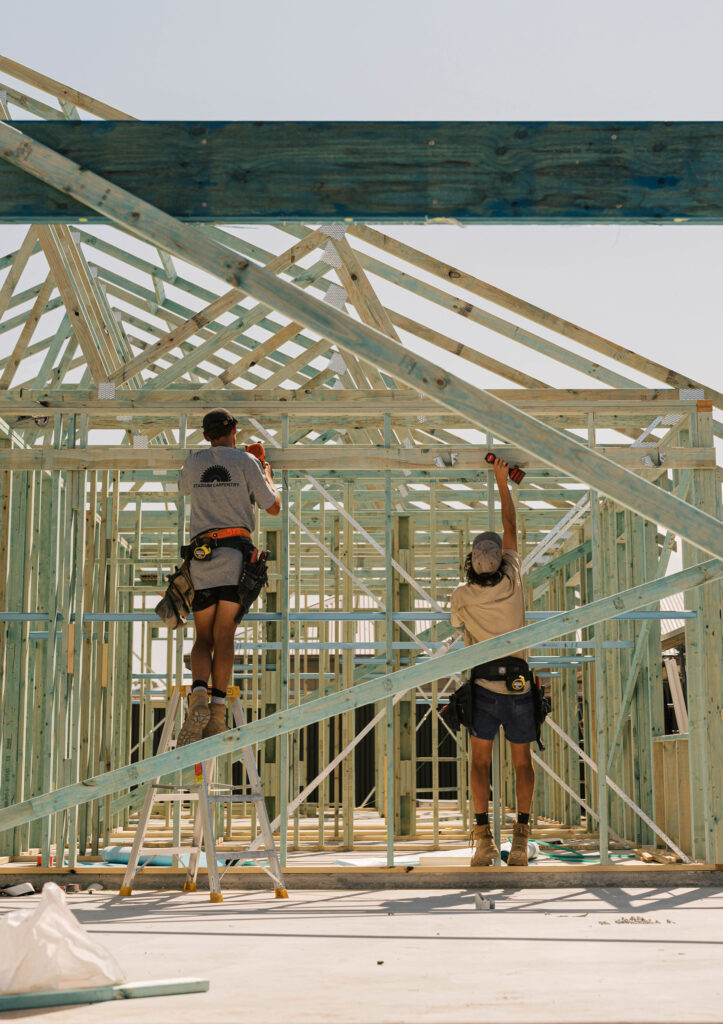
Wooden wall frames and ceiling joists of a house under construction.

Benefits

Why Choose Brick Frame - Timber

Our timber frames are lightweight and easy to handle, meaning they can typically be erected within 5 to 7 days of delivery, getting your build underway faster. Better thermal performance means less reliance on heating and cooling, helping you save on energy costs down the track. Ceilings can be raised by up to 150mm for more natural light, better airflow and a more premium feel throughout the home. Timber also stores carbon throughout its lifespan and supports responsible forestry, making it a genuinely sustainable choice, while easy access for electrical work keeps your home future proof for renovations and upgrades to come.

Got Questions?

FAQs Everything You Need to Know

No. The timber is treated and manufactured to Australian Standards to protect against decay and fungal attack, and is designed to last the life of the home when installed correctly.

Absolutely, use plasterboard anchors from any hardware store, or drill directly into the wall studs.

The timber is treated for termite protection, and we also include termite management systems and treatments as part of construction, in line with Australian building requirements.

Yes. Timber is a renewable material sourced from responsibly managed forests, and it absorbs and stores CO2, making it one of the most sustainable building materials around.

Yes, timber framed homes are commonly built across bushfire prone parts of WA, with wall systems, windows, roof design and construction methods selected to meet the required BAL rating.